Welcome to the Acabado Theme

Why let page speed ruin the user experience and hurt your SEO when you can fix it with Acabado?

Recent Posts

Can learning new skills outperform the S&P 500?


You can outperform the S&P 500 by acquiring high-demand skills, tracking income returns versus market returns, and applying disciplined time and capital allocation to monetize expertise.

The Economics of Human Capital

Human capital often outperforms passive investing when you invest in rare, in-demand skills; your wage growth, freelance earnings, and career mobility can compound, giving you returns that exceed average S&P 500 gains over similar periods.

Comparative ROI: Skill acquisition vs. market benchmarks

Compare expected returns: your targeted skill investments yield asymmetric upside and direct control over income, while the S&P 500 offers diversified, passive market returns with lower personal agency.

Comparative metrics

Skill acquisition S&P 500
Targeted, variable ROI Stable long-term average
High personal control Low individual control
Scaling via productizing Scaling via market growth
Time-to-return varies Returns spread over time

The compounding effect of early-career learning

Early skill investment accelerates your earning curve as experience compounds, unlocking higher-level roles, repeatable products, and network benefits that multiply income over time.

When you front-load learning, small weekly improvements convert into large competence advantages; employers notice faster, clients pay premiums, and you can package skills into courses or tools. This creates multiple income streams and accelerates promotion timing, producing a compounding income trajectory that often outpaces passive equity returns for disciplined practitioners.

Identifying High-Leverage Skill Sets

You should prioritize skills that multiply your earnings by opening higher-paying roles, scaling past individual time, and resisting automation; target durable demand and scarce expertise that clients and employers pay premiums for.

Technical proficiency and the premium on specialization

As you deepen technical proficiency, employers pay a premium for specialization that solves hard problems or cuts costs; you capture outsized returns by mastering tools and architectures few experts command.

Communication and leadership as income multipliers

When you sharpen communication and leadership, you multiply income through better deals, promotions, and team outcomes; influence converts technical output into larger budgets and visible wins.

Developing your communication and leadership skills helps you negotiate higher salaries, secure strategic roles, and lead revenue-generating initiatives; practice storytelling, stakeholder alignment, and conflict resolution to increase your market value.

Risk Mitigation and Personal Asset Protection

Assess how learning new skills reduces your exposure to market volatility by enhancing employability, freelance income, and contract work when equities underperform.

Hedging against inflation through increased earning power

Increasing your earning power through targeted skills lets you raise rates, switch roles, or command premiums faster than fixed investments, helping offset inflation's erosion of purchasing power.

Diversifying income streams via multifaceted expertise

Build multiple income channels-freelance gigs, consulting, courses, royalties-so a downturn in equities won't collapse your cash flow and you retain options to reallocate time.

Practical expansion means cross-training into adjacent fields, productizing services, and creating passive streams; you should measure returns per hour, prioritize higher-margin work, and shift toward income mixes that hold up when markets fall.

The Opportunity Cost of Capital Allocation

Opportunity cost forces you to compare capital directed to education against passive index returns; you must weigh upfront time and tuition against expected higher earnings, flexibility, and control over risk when deciding whether skills outpace an S&P 500 allocation.

Reinvesting cash flow: Education vs. index funds

Compare reinvesting cash flow into courses and projects versus index fund dividends; you can compound human capital through practice and side income, but index funds deliver low-cost, market-compounded growth with far lower maintenance.

Time-weighted returns on intellectual property

Assess time-weighted returns: your created intellectual property can appreciate exponentially over years, while initial returns may be zero; amortize learning costs to estimate long-term IRR versus steady S&P returns.

Model multiple scenarios: estimate upfront learning costs, ongoing maintenance, and potential royalties or product sales; you should discount future cash flows and assign probabilities-successful IP can outperform index returns but requires diversified bets.

Scalability of Expertise in the Digital Age

Digital platforms let you multiply a single skill's impact, converting one-time effort into recurring income through courses, tools, or content that reach millions without a matching rise in your hours worked.

Moving from linear wages to exponential equity

You can shift from hourly pay to upside by creating products, audiences, or ownership that compound value, so modest inputs may yield outsized financial returns over time.

The “Winner-Take-Most” dynamic in specialized fields

Specialists who reach top positions give you access to concentrated demand and rewards, as clients and platforms funnel attention and payment toward a few leading experts.

When you own a narrowly valuable skill with distribution, network effects magnify outcomes: a single hit product, signature service, or course can capture most market attention, enabling leaders to scale pricing, subscriptions, and partnerships while late entrants face steep barriers to match that accumulated advantage.

Strategic Tax and Networking Advantages

You can boost after-tax returns by deducting work-related learning and converting contacts into paid opportunities, making skill-building a compoundable advantage alongside market exposure.

Deductibility of professional development and growth

When you document courses that maintain or improve current job skills, those expenses may qualify as tax-deductible, lowering the effective cost of upskilling-track receipts and employer reimbursements carefully.

Building social capital as an intangible asset

If you prioritize relationships through consistent follow-up and genuine value exchange, connections can supply leads, partnerships, and opportunities that outpace passive index gains.

Should you treat social capital as an asset, you will invest in events, mentorships, and small favors that compound via referrals, cofounder matches, and higher-paid roles; you should track interactions, reciprocate selectively, and convert trust into measurable income over time.

Final Words

Taking this into account, you can sometimes outperform the S&P 500 by converting new skills into higher earnings or entrepreneurship; success depends on skill demand, consistent practice, and disciplined reinvestment, so treat learning as a long-term investment with variable but potentially superior returns.

Should beginners invest in themselves or the stock market?


Over the short term you should prioritize investing in yourself to build skills and income; as your emergency fund and knowledge grow, allocate to diversified stocks to compound wealth while managing risk.

The Case for Investing in Human Capital

Investing in your skills often outperforms early stock gambles, since you increase your income potential, adapt faster to market shifts, and gain stronger negotiating power for better roles and pay.

Enhancing Earning Capacity Through Skill Acquisition

You can boost earnings by acquiring in-demand skills, certifications, or experiences that make you indispensable, letting you command higher salaries, freelance rates, or promotions.

The Compounding Effect of Professional Development

Small investments in learning compound as you apply new skills, leading you to faster raises, bigger opportunities, and a rising career trajectory over time.

Over years, each promotion, side project, or skill you add increases your market value, so returns stack: higher pay funds more training, which opens loftier roles and multiplies lifetime earnings.

Fundamentals of Stock Market Participation

Stocks expose you to company performance, so you must grasp risk, time horizon, and diversification before committing cash; build a plan for contributions, withdrawals, and emergency savings to avoid forced selling.

Understanding Market Mechanics and Compound Interest

Compound returns reward steady investing: you grow small contributions exponentially if you reinvest dividends and remain invested through market cycles, making time your most powerful ally against short-term volatility.

Lowering Barriers to Entry via Index Funds and ETFs

Index funds and ETFs let you buy broad exposure cheaply, so you can start with modest amounts, capture market returns, and sidestep stock-picking risk while keeping fees low.

Fees determine net returns, so you should compare expense ratios, tracking error, and tax efficiency; low-cost index ETFs often outperform expensive active funds over long horizons and simplify rebalancing.

Assessing Financial Readiness and Risk

You should assess your cash buffer, outstanding debts, and investing timeline before choosing between self-investment and stocks; adequate emergency savings and manageable liabilities let you tolerate market swings and focus on long-term growth.

Prioritizing Debt Liquidation and Emergency Reserves

If you carry high-interest debt, prioritize paying it down and build a three-to-six month emergency fund before committing significant funds to stocks or courses; that reduces stress and preserves options.

Evaluating Personal Risk Tolerance vs. Market Volatility

Consider how you react to losses, your investing horizon, and cash needs; if you have a shorter horizon or low loss tolerance, choose conservative allocations or delay market exposure until your skills and reserves grow.

Measure your reaction by testing scenarios: create a sample portfolio, simulate a 20-40% drawdown, and observe whether you would sell or hold; if you tend to panic, favor lower-volatility holdings, dollar-cost averaging, and gradual increases in stock exposure as confidence and reserves improve.

Comparing Returns: Education vs. Equity

Education Stock Market

Education often raises your earnings and job options faster than early stock returns, converting learning into measurable salary gains and career resilience.

Equities can deliver higher average annual returns over long horizons, but you face volatility and no guaranteed short-term payoffs for living costs.

Analyzing Short-term Gains in Salary and Career Growth

Short-term salary boosts from courses or certifications can improve your cash flow and job prospects within months, giving you tangible returns you can spend or reinvest.

Projecting Long-term Wealth Through Asset Appreciation

Long-term equity growth benefits your net worth through compound returns, but you must tolerate downturns and keep contributions consistent to see meaningful gains.

Compounding returns in equities typically outperform inflation and many salary increases over decades; you should model scenarios, include dividends and contributions, and balance risk with time to maximize wealth.

The Synergy of a Balanced Investment Strategy

Balance your time and capital between acquiring skills and buying diversified securities so you capture career growth while compounding market returns, smoothing volatility and improving overall financial resilience.

Reinvesting Career Gains into Market Portfolios

When you funnel raises and freelance earnings into index funds and bonds, you convert active income into passive appreciation while preserving funds for targeted courses or certifications that raise future income potential.

Diversifying Assets Between Personal Skills and Securities

Diversifying across cash, equities, and skill investments reduces single-source risk and lets you rebalance toward higher returns or better job prospects as market or career signals shift.

Allocate a portion of monthly savings to continuous learning-technical courses, mentoring, or project work-while keeping automated contributions to diversified funds; set clear thresholds to temporarily increase skill spending when promotion opportunities arise or to boost market investments when valuations look attractive, optimizing your long-term earnings and security.

Strategic Implementation for Novice Investors

Plan a steady approach that blends small stock allocations with targeted self-education; automate your contributions, favor low-cost index funds while you build skills, and keep a cash cushion to avoid forced selling during learning curves.

Establishing a Sustainable Monthly Contribution

Set a fixed percentage of your income for investing, pause increases until high-interest debt and an emergency fund are handled, and automate transfers so contributions happen without daily decision-making.

Identifying High-Impact Educational Opportunities

Choose practical, outcome-focused courses, verified mentors, or hands-on books that include assignments and simulated trading so you can apply lessons through small, controlled trades.

Assess programs by instructor track record, student outcomes, and presence of hands-on components; use reputable free resources to build basics, join active study groups, and only pay for advanced courses once you can demonstrate progress via paper trading and documented results.

Final Words

With these considerations you should prioritize investing in your skills and emergency savings before sizable stock-market bets; building expertise and a cash buffer reduces risk and boosts long-term returns when you later allocate to equities.

Why is investing in yourself more important than ever?


You should prioritize continuous learning, health, and adaptable skills to secure income, increase resilience, stay competitive in shifting markets, and achieve measurable gains in career and wellbeing.

The Shifting Landscape of the Modern Economy

Your career now demands continuous skill renewal as market shifts accelerate; investing in yourself is the most direct way to protect income, expand options, and adapt to role changes.

Rapid technological disruption and AI integration

AI-driven automation replaces routine tasks while creating new categories of work, so you must upgrade technical familiarity and judgment to remain valuable.

The transition from linear careers to dynamic skill sets

Careers increasingly ask you to curate portable skills, switching roles and industries more often; building adaptability and ongoing learning habits secures long-term opportunity.

When you focus on skills over titles, map core competencies-communication, data literacy, problem framing, and rapid learning-and document them with project portfolios, microcredentials, and cross-disciplinary collaborations; employers and clients reward measurable outcomes, so plan lateral moves, short contracts, and continuous courses to keep demand for you rising as roles evolve.

Intellectual Capital as a Recession-Proof Asset

Knowledge you cultivate becomes portable income during downturns; it boosts your problem-solving, creativity, and adaptability so employers or clients continue valuing your work despite economic shifts.

Future-proofing your career through continuous learning

You should pursue continuous learning through courses, projects, and mentoring to keep skills current, demonstrate initiative, and expand opportunities that persist even when companies cut roles.

High-value skill acquisition and specialization

Specialization in high-demand technical or strategic skills makes you harder to replace, lets you command higher rates, and signals clear return on investment to employers and clients.

Targeted learning paths, certifications, and real projects help you build proof of competence; prioritize niche combinations where demand outpaces supply to maximize income and job security.

Cultivating Mental Resilience and Emotional Intelligence

You strengthen resilience and emotional intelligence by practicing reflection, stress management, and deliberate exposure to challenge, so you respond to pressure with calm judgment and learn from setbacks.

Navigating uncertainty with psychological fortitude

Facing uncertainty, you strengthen your psychological fortitude by controlling breath, reframing threats as challenges, and setting flexible short-term goals to reduce anxiety and improve decision speed.

The role of self-awareness in effective leadership

Your self-awareness helps you spot biases, adjust communication, and assign tasks that match strengths, which increases team trust and consistent performance.

When you practice honest reflection and solicit candid feedback, you sharpen emotional insight and make decisions that model accountability for others; this clarity reduces conflict, guides development conversations, and helps you scale influence without relying on title alone.

Strategic Networking and Social Capital

Social connections give you access to advice, opportunities, and referrals; by prioritizing reciprocal interactions, attending targeted events, and staying in touch, you grow social capital that accelerates your career mobility.

Building a high-impact professional ecosystem

You can map key contacts across functions, offer clear mutual value, and schedule brief check-ins to build a high-impact professional ecosystem that supplies referrals, insights, and collaboration opportunities.

Leveraging personal branding for global visibility

Optimize your digital presence with consistent messaging, curated work samples, and engaged commentary to boost recognition across markets and attract remote, cross-border opportunities.

Maintain a clear narrative across platforms, showcase measurable results, and solicit endorsements that reinforce credibility; targeted content and strategic collaborations help you reach international audiences and convert attention into concrete projects.

Physical Vitality as a Performance Multiplier

Your physical energy sets the ceiling for sustained performance; investing in sleep, movement, and balanced nutrition sharpens focus, accelerates recovery, and raises your daily output across complex tasks.

The correlation between health and cognitive output

Research links consistent sleep, exercise, and nutrition to higher memory retention, faster decision-making, and clearer creative thought, so you can solve harder problems with fewer errors.

Sustainable energy management for long-term success

Plan your schedule around energy peaks, reserving mornings for deep work and afternoons for collaboration, and use brief breaks to reset focus so you sustain productivity without burning out.

You can map your daily energy by tracking alertness and aligning tasks to peaks; use 90-minute focus blocks for demanding work, place administrative or creative recovery during lulls, and begin days with protein, hydration, and light movement. Time caffeine to precede your peak window, protect consistent sleep, schedule weekly active recovery, and enforce boundaries to reduce chronic fatigue and preserve long-term output.

Financial ROI of Personal Development

Personal investments in skills and habits yield measurable returns: you command higher salaries, reduce career gaps, and convert learning into marketable expertise.

Increasing earning potential through self-mastery

Skill development boosts your value: employers and clients pay more for focused expertise, leadership, and consistent results you deliver.

The compounding effect of early-stage investments in self

Early habits and learning multiply returns: small skills you build now accelerate wage growth, unlock opportunities, and simplify future transitions.

Over years, consistent micro-investments compound as skill depth, credibility, and network effects multiply your income and options. Your small daily practices-improving communication, mastering tools, building a portfolio-turn into premium positioning that attracts better roles and clients. Early focus reduces future learning time, increases promotion velocity, and means each raise compounds on a larger base, dramatically boosting lifetime earnings.

Conclusion

You should invest in your skills and well-being because rapid technological change and competition reward adaptable, confident professionals; ongoing learning increases your options, income potential, and resilience, ensuring you retain advantage and sustain long-term success.

How Much of Weight Gain Is Due to Metabolism vs. Eating Habits?


Approximately 80% of weight gain variance is attributed to behavioral factors like diet and physical activity, while inherent metabolic differences account for about 20%. This indicates that eating habits and lifestyle choices have a more significant impact on weight gain than metabolism alone.

Metabolism vs. Eating Habits: What Really Causes Weight Gain?

What: Understanding Weight Gain

Weight gain occurs when energy intake surpasses energy expenditure. Energy expenditure comprises basal metabolic rate (BMR), physical activity, and the thermic effect of food. While BMR accounts for a significant portion of daily energy use, variations in BMR among individuals are relatively small and often offset by differences in physical activity and dietary habits.

Why: Behavioral Factors Predominate

Studies indicate that behavioral factors, particularly dietary patterns and physical activity levels, are the primary drivers of weight gain. For instance, increased consumption of processed foods and larger portion sizes contribute significantly to excess calorie intake. Physical inactivity further exacerbates this imbalance, leading to weight gain over time.

How: Mechanisms Behind Weight Gain

  1. Dietary Choices: High intake of calorie-dense, nutrient-poor foods leads to excess energy consumption.
  2. Physical Inactivity: Sedentary lifestyles reduce total energy expenditure, making it easier to gain weight.
  3. Meal Timing: Eating large meals late in the day can disrupt circadian rhythms and metabolism.
  4. Metabolic Adaptation: While some individuals have metabolic phenotypes that may predispose them to weight gain, these are less influential compared to lifestyle factors. nih.gov

When/Who: Individual Variations

While behavioral factors are the predominant cause of weight gain, certain individuals with specific metabolic conditions or genetic predispositions may experience weight gain more readily. However, for the majority, lifestyle choices remain the most significant factor.


By The Numbers

  • 80%: Proportion of weight gain variance attributed to behavioral factors.
  • 20%: Proportion of weight gain variance attributed to metabolic differences.
  • 60-80%: Percentage of weight gain resulting from body fat accumulation due to positive energy balance.
  • 0.3–0.5 kg/year: Average annual weight gain, regardless of BMR differences.
  • 16.6: Odds ratio for weight gain associated with decreased diet quality. arxiv.orgpubmed.ncbi.nlm.nih.gov

Quick Facts

  • Eating habits and physical activity are more influential on weight gain than metabolism.
  • Basal metabolic rate variations have minimal impact on long-term weight gain.
  • Processed food consumption is strongly linked to increased weight gain.
  • Meal timing affects metabolism and weight regulation.
  • Regular physical activity enhances energy balance and prevents weight gain.

Your Action Plan

  1. Monitor Caloric Intake: Be mindful of portion sizes and calorie-dense foods.
  2. Increase Physical Activity: Aim for at least 150 minutes of moderate exercise per week.
  3. Prioritize Whole Foods: Choose unprocessed, nutrient-rich foods over processed options.
  4. Establish Regular Meal Times: Maintain consistent eating schedules to support metabolic health.
  5. Stay Hydrated: Drink adequate water to support metabolism and reduce overeating.
  6. Get Adequate Sleep: Aim for 7-9 hours of sleep per night to regulate hunger hormones.
  7. Manage Stress: Incorporate stress-reducing activities to prevent emotional eating.
  8. Seek Professional Guidance: Consult healthcare providers for personalized advice.eatingwell.comverywellhealth.comparents.com

Avoid These Mistakes

  • Skipping Meals: Can lead to overeating later and disrupt metabolism.
  • Relying on Fad Diets: Often unsustainable and can negatively impact metabolism.
  • Neglecting Physical Activity: Reduces energy expenditure and contributes to weight gain.
  • Ignoring Sleep and Stress: Both significantly affect weight regulation.

Pro Tips

  • Meal Composition: Consume fiber and protein before carbohydrates to reduce blood sugar spikes.
  • Mindful Eating: Pay attention to hunger cues and avoid distractions during meals.
  • Regular Monitoring: Keep track of dietary habits and physical activity to identify patterns.

Weight Management Strategies That Actually Work


weight-management-strategies-that-actually-work

Why Most People Struggle With Weight Management

Let’s face it, weight management is one of the most frustrating health challenges out there. You’ve probably tried diets, fitness trends, or even apps, only to see minimal or temporary results. It’s easy to feel like nothing works. But the problem isn't your willpower, it’s the overwhelming amount of conflicting information out there.

This guide cuts through the noise. Whether your goal is weight loss, maintenance, or improving your body composition, you’ll find evidence-based strategies and actionable tips that actually make a difference. We’ll also explore some common myths and emerging research to help you make smarter choices moving forward.

Understanding the Science of Energy Balance

At its core, weight management comes down to energy balance, calories in versus calories out. When you consistently consume more calories than you burn, you gain weight. When you consume fewer, you lose. Sounds simple, right? But your metabolism, hormone levels, and even gut bacteria can influence how efficiently your body uses those calories.

This leads many to ask how much of weight gain is actually due to metabolism versus eating habits? It’s a fair question and one researchers are still exploring.

The Role of Sustainable Caloric Deficit

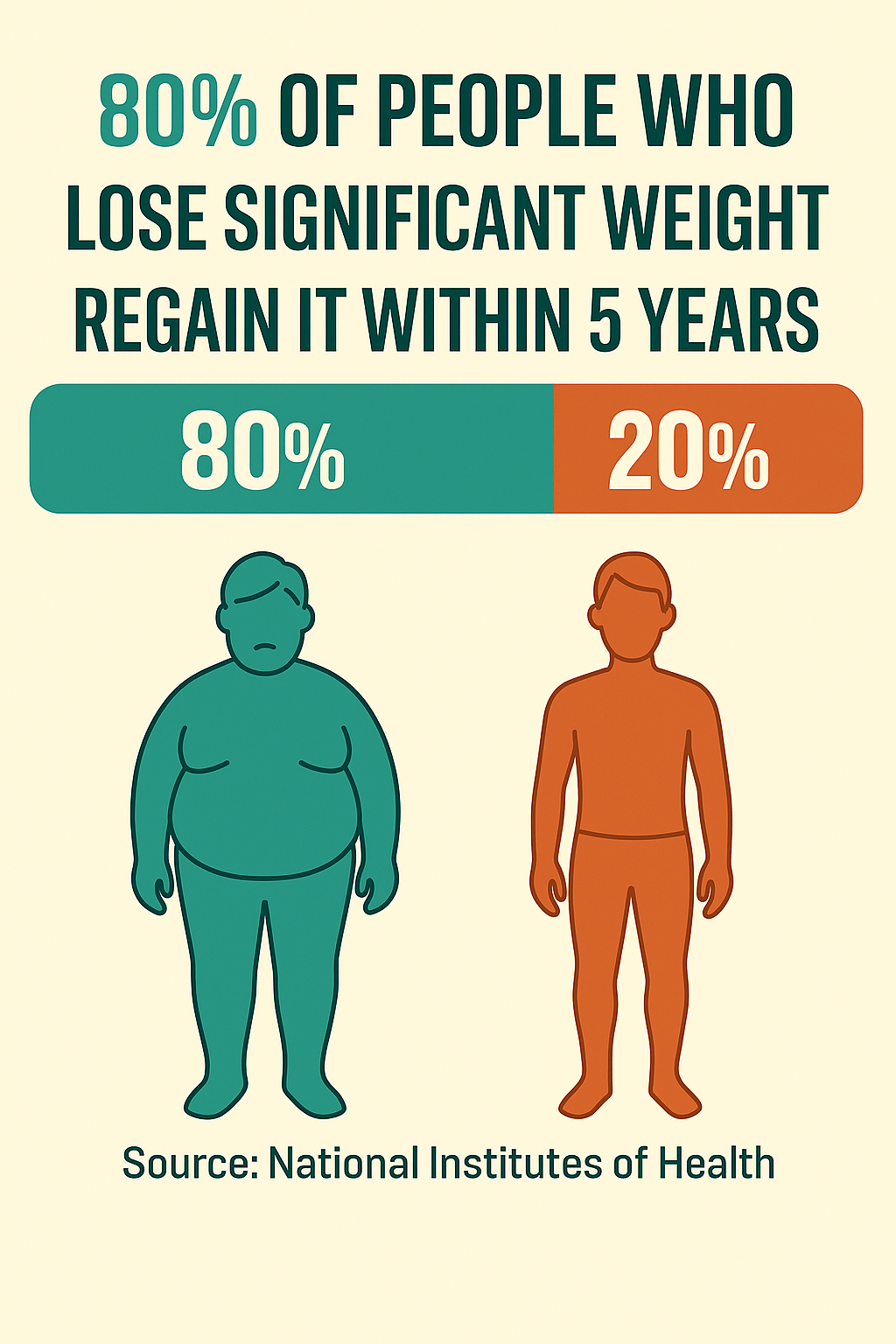
One of the most reliable ways to lose weight is by maintaining a consistent, moderate caloric deficit. Crash diets and extreme restrictions may give fast results, but they rarely last and often lead to weight regain. Aim for a deficit of 300-500 calories per day for slow, steady progress.

Many people wonder #[why does slow weight loss tend to be more sustainable than rapid weight loss?]# The answer often lies in how our bodies adapt to starvation modes versus mild restriction.

High-Quality Nutrition Over Simple Calorie Counting

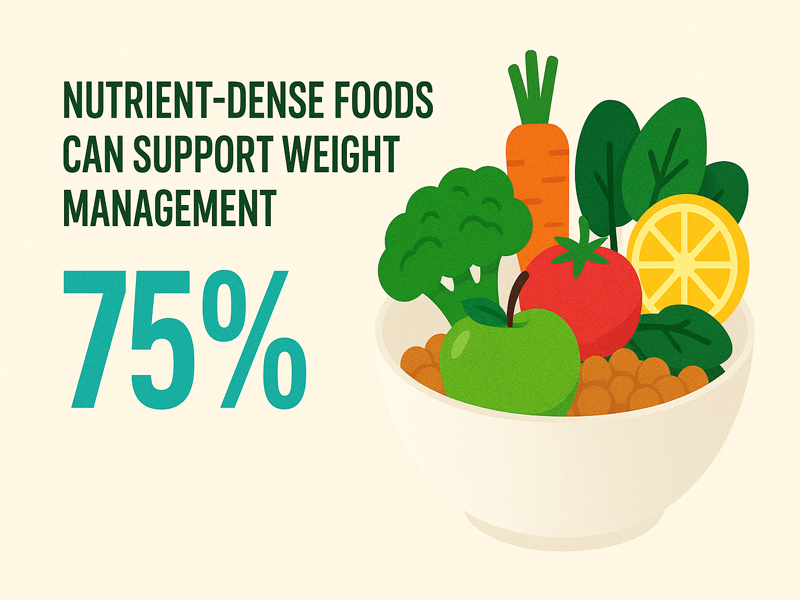
Not all calories are equal. 300 calories from soda affects your body very differently than 300 calories from a salad with lean protein. Focus on whole, nutrient-dense foods like vegetables, fruits, lean meats, and healthy fats. These not only keep you full but support metabolic health.

You might be wondering #[can improving food quality help with weight loss even without counting calories?]# This is where nutrition science gets especially interesting.

weight-management-nutrient-dense-foods

Physical Activity: More Than Just Burning Calories

Exercise helps with weight loss, but not always in the way people think. While cardio burns calories, strength training builds lean muscle, which boosts resting metabolic rate. Plus, staying active improves mood and sleep, both crucial for long-term success.

It raises the question #[how does strength training compare to cardio for long-term fat loss?]# This is something most people overlook in their routines.

The Power of Sleep and Stress Management

Chronic stress and poor sleep are two silent saboteurs of weight management. Elevated cortisol levels from stress can lead to fat storage, especially in the abdominal area. Lack of sleep disrupts hunger hormones like leptin and ghrelin, leading to cravings and overeating.

So, #[how significant is the impact of sleep on weight loss success?]# Research suggests it could be a missing link for many people.

Tracking Progress Without Obsession

Weight is just one data point. Measure your progress with photos, how your clothes fit, or energy levels. Daily weigh-ins can fluctuate due to water retention, hormonal changes, or food intake. Weekly trends are more meaningful than daily changes.

This brings up #[what are the most accurate ways to track weight loss progress without using a scale?]#

Behavioral Psychology and Habit Formation

Lasting change comes from consistent habits, not willpower. Start small: replace soda with water, prep meals twice a week, walk after dinner. Use tools like habit tracking or reward systems. Accountability partners or coaches can also reinforce positive behaviors.

Have you asked yourself #[how can I make healthy habits stick without constant motivation?]# That’s a common hurdle.

Beware of Fad Diets and “Magic” Solutions

Keto, detox teas, intermittent fasting, they all have their place but are not one-size-fits-all. Many of these programs create a calorie deficit but are unsustainable or overly restrictive. Be wary of anything that promises fast results with little effort.

This raises an important question: #[why do so many people regain weight after fad diets?]# Understanding the “why” helps prevent repeated cycles.

When to Seek Professional Help

If you’ve tried multiple strategies and feel stuck, working with a registered dietitian, certified trainer, or therapist can make a huge difference. They offer personalized plans and support, and can identify medical issues that may be interfering with progress.

You may be thinking #[how do I know if it’s time to consult a weight management professional?]# Knowing when to ask for help is a strength, not a weakness.

weight-management-regain-it-within-5-years

Conclusion: Make Weight Management a Lifestyle, Not a Project

The most successful weight management plans are not diets, they’re lifestyles. Focus on sustainable changes, nourish your body, move consistently, sleep well, and be kind to yourself. Weight management isn’t about perfection; it’s about progress over time. Start small, stay consistent, and keep learning.

Why Small Skills Pay Big Dividends


There's a powerful truth in the idea that small skills can lead to significant outcomes in both your personal and professional life. By focusing on incremental improvements, you can effectively master complex tools or concepts over time. Instead of overwhelming yourself with large leaps, embracing a steady pace enables you to build a robust foundation of knowledge and capability. As you cultivate these skills, the dividends can manifest in opportunities, confidence, and sustainable growth, proving that the journey of small steps can yield remarkable results.

Key Takeaways:

  • Incremental learning fosters a strong skill foundation, allowing for gradual and effective mastery of complex tools and technologies.
  • Small, consistent improvements can lead to significant advancements over time, enhancing overall productivity and confidence.
  • Embracing the process of learning in small steps encourages adaptability and prepares individuals for future challenges and innovations.

The Power of Small Skills

Before plunging into complex projects or mastering advanced tech tools, focus on small skills that lay the groundwork for greater achievements. Incremental learning not only enhances your confidence but also creates a solid foundation for long-term success. Each tiny skill you master contributes to a larger proficiency, demonstrating that consistent learning pays off over time. As you build these small skills, you position yourself to tackle bigger challenges, ultimately leading to significant rewards.

Defining Small Skills

One way to think about small skills is as the building blocks of your expertise. These can be simple techniques, shortcuts, or everyday tools you can integrate into your daily routine. Mastering these tiny elements, like using keyboard shortcuts or understanding basic features of a software, empowers you to work more efficiently and opens the door for more complex tasks.

The Psychology Behind Skill Accumulation

About how you perceive and approach skill building reveals much about your potential for growth. Each time you learn a new small skill, you're not just accumulating knowledge; you're also altering how your brain makes connections. This form of associative learning strengthens your confidence, pushing you to take on even more complex challenges.

Psychology suggests that embracing small victories plays a significant role in your overall motivation. In neural terms, mastering small skills creates new pathways in your brain, leading to increased confidence and engagement. As each skill accumulates, you develop a positive feedback loop; the more you learn, the more confident you feel about learning further. This journey transforms your perception of challenges from daunting to exciting. The key is in acknowledging these small wins, as they significantly influence your long-term success.

Case Studies of Success

Assuming you are looking to understand the impact of incremental learning, consider these compelling case studies that illustrate substantial gains:

  • IBM: A training program led to a 12% increase in productivity through small, skill-based workshops.
  • Google: Employees who adopted incremental learning techniques improved their project completion rates by 20%.
  • Microsoft: Implementation of small, bite-sized training resulted in a 30% reduction in onboarding time for new hires.
  • Amazon: Training investments in tech tools boosted employee efficiency by 15%.

Real-Life Examples

Along the journey of mastering new tech tools, countless individuals have transformed their careers by embracing incremental learning. For instance, a marketing professional who took the time to learn data analytics through short online courses saw a 25% increase in campaign effectiveness, illustrating how small skills can directly correlate with tangible improvement in the workplace.

Lessons Learned

Above all, the experience gathered from various case studies reveals that incremental learning fosters resilience and adaptability. Small, consistent efforts lead to significant skill enhancement, aiding you to stay relevant in a fast-paced environment. For example, individuals who initially dedicated just an hour a week to learn software saw their proficiency double within months, emphasizing the value of persistent engagement.

Even when the benefits may not be immediately visible, the long-term dividends are undeniable. By investing time in small skills, you cultivate a robust foundation for your expertise. This gradual approach allows for deeper understanding and prevents overwhelming feelings that often accompany more extensive training. Furthermore, as you accumulate these little victories, your confidence grows, driving you to pursue even greater challenges and ultimately advancing your career trajectory in significant ways.

The Ripple Effect of Small Skills

Many underestimate the power of small skills, yet they create a ripple effect that can significantly enhance multiple aspects of your life. By focusing on mastering individual tech tools or small techniques, you not only improve your efficiency but also build a solid foundation for more complex skills. Over time, these incremental advancements lead to substantial transformations, both personally and professionally, fostering an environment where success can multiply.

Impacts on Personal Development

Personal growth often stems from the ability to learn and adapt. When you acquire small skills, you boost your confidence and cultivate a mindset of continuous improvement. This not only enhances your problem-solving abilities but also encourages resilience, making it easier to tackle bigger challenges when they arise.

Impacts on Professional Growth

Beside personal development, mastering small skills is necessary for your career progression. As you integrate new tools and technologies, your value in the workplace increases, opening doors for promotions and new opportunities.

Ripple effects from small skills can manifest in notable ways in your professional journey. Each time you learn a new tech tool or technique, you're not just adding to your skill set; you're improving your efficiency and productivity. This can lead to enhanced recognition from peers and supervisors, paving the way for career advancement. Furthermore, as you accumulate these competencies, you position yourself as a lifelong learner, making you adaptable to industry changes and more likely to seize emerging opportunities. Research shows that people with diversified skill sets tend to advance faster, proving that even small abilities can yield significant professional rewards.

Strategies for Incremental Learning

Keep in mind that incremental learning thrives on well-defined strategies that foster sustainable progress. By breaking down your goals into smaller, manageable tasks, you set yourself up for long-term success. This approach encourages continual development in skills like mastering a new tech tool, paving the way for rewards that multiply over time.

Setting Achievable Goals

Among the first steps in your incremental learning journey is setting achievable goals. By establishing clear, specific, and realistic objectives, you can effectively track your progress and maintain motivation. For example, rather than aiming to master a complex software in one week, focus on learning one feature at a time. This will lead to a stronger grasp of the tool and long-term mastery.

Maintaining Consistency

On your journey to mastery, maintaining consistency is crucial. Regular practice helps reinforce new skills, making it easier for you to integrate them into your daily routine. It's recommended that you dedicate specific times each week to practice, ensuring that incremental learning becomes a habitual part of your life.

Consistency is the backbone of effective incremental learning. By committing to practice regularly, you're not only reinforcing your newly acquired skills but also building momentum over time. Failing to maintain consistency can lead to significant setbacks, as skills may become rusty or forgotten. On the other hand, small, daily efforts can greatly enhance your competence and confidence. Consider setting aside just 20-30 minutes each day to focus on your learning goals, and you'll begin to see remarkable results, crafting a path toward mastery that pays off in the long run.

Overcoming Challenges

Once again, as you navigate the incremental learning process, you may encounter various challenges that can test your commitment. Embracing these challenges as stepping stones rather than roadblocks is vital. By adopting a growth mindset, you can develop resilience, allowing you to push through obstacles while enhancing your skill mastery. When setbacks occur, they're not failures—they're learning opportunities that add depth to your experience and can lead to greater long-term wins.

Dealing with Setbacks

The journey to mastering new skills is rarely linear. You will likely face setbacks that can feel disheartening. Acknowledging these setbacks as a natural part of the learning process can help you maintain perspective and stay focused on your ultimate goals. Use them as valuable feedback to adjust your approach and refine your strategies moving forward.

Staying Motivated

The path to mastery requires consistent motivation, especially during challenging times. In the face of obstacles, revisit your initial aspirations and remind yourself why you started your journey. Setting achievable milestones can also provide you with a clear sense of accomplishment, fueling your desire to push forward.

Hence, staying motivated is about cultivating a positive environment around your learning. Surround yourself with supportive peers who share your ambitions, and engage in communities that celebrate small wins. Utilize tools and trackers to visually chart your progress, which can reinforce your commitment. Celebrate each little victory, as these moments can serve as powerful motivators, keeping your enthusiasm alive and ensuring you remain focused on your ultimate goal: mastering that tech tool and reaping its significant rewards.

Measuring Your Progress

To effectively gauge your growth in mastering a new tech tool, establish clear benchmarks that align with your learning objectives. Regularly assess your skills through quizzes, self-reflections, or practical applications of your knowledge. By tracking these milestones over time, you'll not only identify areas for improvement but also gain confidence in your capabilities. This structured approach enables you to see the incremental benefits of your efforts, reinforcing the concept that small skills lead to significant achievements.

Tools and Techniques

An effective measurement strategy involves using various tools and techniques. Digital platforms often provide built-in metrics and analytics to track your progress, while peer feedback can offer valuable insights. You might also consider incorporating learning journals or apps designed for skill tracking, ensuring you remain focused and motivated as you develop your expertise.

Celebrating Milestones

Below is the importance of celebrating the milestones you've reached on your learning journey. This recognition serves to motivate you further and reinforces your progress. Every small achievement, no matter how minor it may seem, is a step towards mastering your tech tool and should be acknowledged. Celebrate these moments to increase your overall engagement and commitment.

Consequently, recognizing your achievements plays a vital role in your learning journey. Each milestone you celebrate, whether it's becoming proficient in a specific feature or successfully completing a project using your new tool, fuels your motivation to continue. This process not only solidifies your learning but also instills a sense of accomplishment. Celebrating these moments can involve sharing with peers, rewarding yourself, or simply reflecting on your journey. By doing so, you reinforce a positive feedback loop that encourages ongoing growth and development in your skill set.

Why Small Skills Pay Big Dividends

With these considerations, it's clear that the incremental development of small skills can lead to significant achievements over time. As you continually enhance your proficiency with tools and techniques, you build a solid foundation that supports your long-term success. This step-by-step approach not only boosts your confidence but also makes complex tasks more manageable, ultimately paying off in greater efficiency and effectiveness in your personal and professional endeavors.

FAQ

Q: How can focusing on small skills lead to significant improvements in my work performance?

A: By concentrating on small skills, you can gradually build a solid foundation that enhances your overall proficiency. Each small skill mastered contributes to your larger abilities, making complex tasks easier to manage. This steady accumulation of knowledge allows for increased efficiency and can lead to better outcomes in projects, ultimately improving your work performance over time.

Q: What is the impact of incremental learning on long-term career growth?

A: Incremental learning fosters a growth mindset, encouraging continuous improvement and adaptability. As you develop small skills, you become more versatile, making yourself a more valuable asset in the workplace. This adaptability often opens doors to new opportunities, promotions, and professional advancements, significantly impacting your long-term career trajectory.

Q: How can I integrate small skill development into my daily routine effectively?

A: To effectively integrate small skill development into your daily routine, consider setting aside dedicated time each day for practice. This could involve short learning sessions focused on specific areas, utilizing online resources, or participating in workshops. Additionally, tracking your progress and reflecting on your improvements can motivate you to persist. Consistency is key, making small, regular efforts more manageable and beneficial in the long run.